
Sculptures & Fountains
Features That Define Spaces Visually
Sculptures & Fountains in Elizabethtown for memorial, commercial, and residential settings requiring distinctive focal points
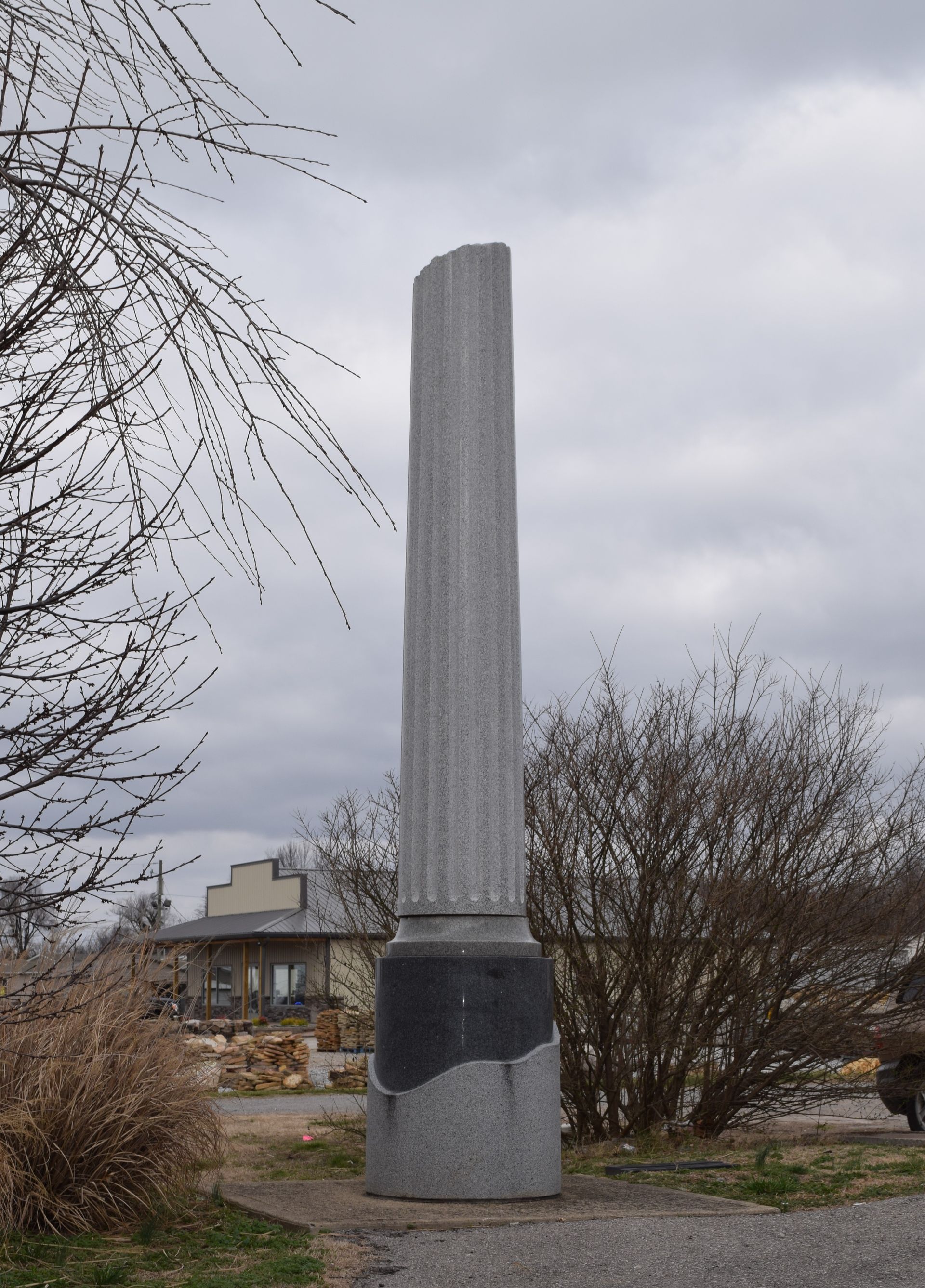
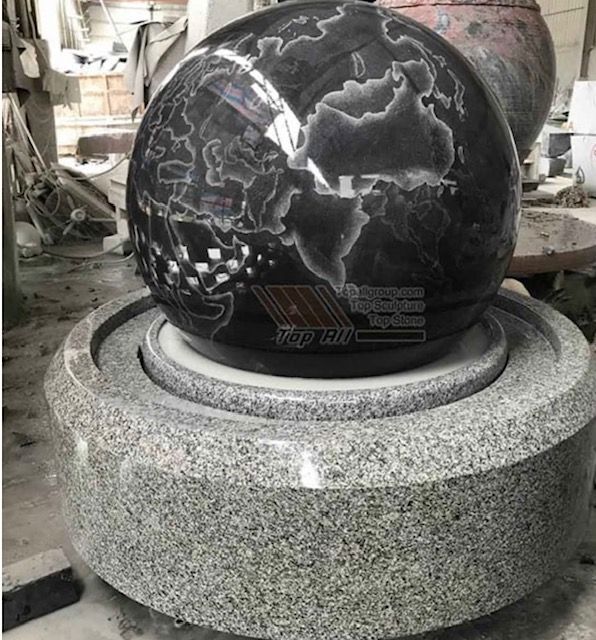
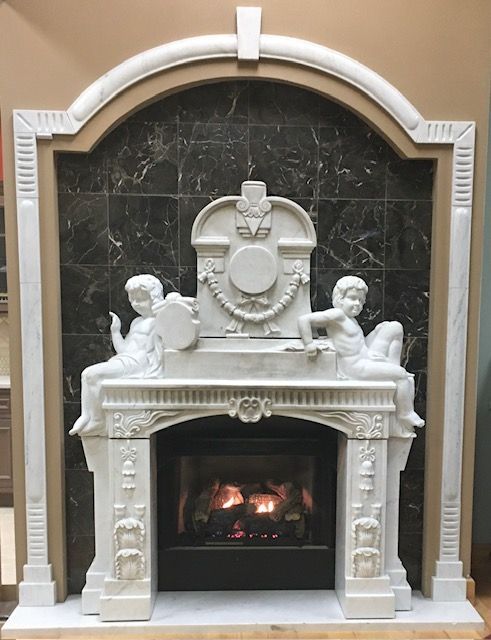
Custom sculptures and fountain installations serve as permanent visual anchors in landscapes, memorial gardens, and public spaces where conventional landscaping cannot provide the dimensional presence or symbolic meaning the location requires. Eternity Memorials creates water features and sculptural elements using materials selected for structural stability and weather resistance, addressing projects where artistic design must coexist with operational reliability. Memorial gardens commemorating community figures, corporate campuses establishing recognizable gathering spaces, and residential properties defining courtyard focal points use this service when off-the-shelf garden ornaments lack the scale, customization, or durability necessary for the intended purpose.
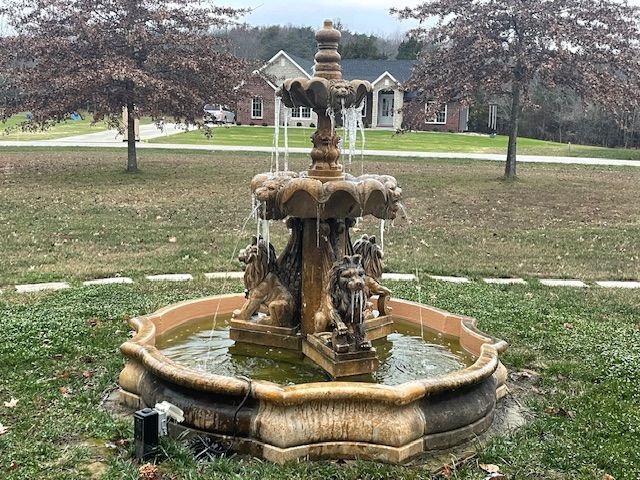
The work begins with conceptual design that considers viewing angles, surrounding architecture, and how the piece interacts with seasonal landscape changes. Material selection accounts for whether the installation will be exposed to continuous moisture, direct sunlight, or freeze-thaw cycling common in Kentucky. Fountain projects include water circulation system design that prevents stagnation while minimizing mechanical noise and ensuring drainage functions correctly during heavy rain events that could otherwise cause overflow or erosion around the installation base.
Schedule a design consultation to discuss how custom sculptures or fountain features can be integrated into your memorial, landscape, or architectural project.
What Sculptures and Fountains Provide Long-Term
Sculptural and fountain installations must withstand weather exposure, biological growth, and material stress from thermal expansion without requiring structural repairs or surface restoration that diminishes the original design intent. Stone selections consider porosity and fracture patterns that affect whether freezing moisture causes spalling. Bronze and metal components require finish treatments that stabilize patina development rather than allowing uncontrolled corrosion that obscures detail or weakens structural connections. Water features need circulation systems with accessible pumps and filtration to simplify seasonal maintenance without disrupting the installation's visual presentation.
Once completed, you observe sculptures that maintain their intended finish through seasonal weather cycles, with surfaces that shed water rather than retaining it in ways that promote staining or biological growth. Fountain basins remain level without settling, water flows maintain consistent patterns without clogging or erratic spray, and mechanical systems operate quietly enough that the water sound remains dominant. Lighting integration, when included, highlights dimensional surfaces without creating harsh shadows or glare that distorts the intended visual effect during evening viewing.
Customization spans a range of scales from table-height memorial pieces to multi-ton installations requiring engineered foundations and crane placement. Design collaboration involves refining concepts through sketches or scale models before final fabrication, ensuring the piece meets functional and aesthetic expectations. Projects may coordinate with landscape architects to integrate sculptures or fountains into broader site designs, accounting for pedestrian circulation, irrigation systems, and sight lines from key viewing locations.
What Property Owners Usually Ask
Questions about sculptures and fountains typically focus on material durability, maintenance expectations, and how design choices affect long-term appearance and functionality.
What materials work best for outdoor sculptures in Elizabethtown's climate?
Granite and bronze both resist freeze-thaw damage and UV exposure without significant deterioration. Granite requires minimal maintenance beyond periodic cleaning, while bronze develops a protective patina that stabilizes after initial weathering and prevents ongoing corrosion.
How are fountains designed to minimize maintenance requirements?
Accessible pump housings, easily cleaned basins, and circulation systems that prevent debris accumulation reduce service frequency. Winterization provisions allow quick seasonal shutdown without specialized tools or risk of freeze damage to plumbing components left in place year-round.
Why do some outdoor sculptures develop staining or discoloration over time?
Porous stone without proper sealing absorbs organic material and minerals from rainwater runoff, creating permanent staining that cannot be removed through surface cleaning. Material selection and sealing protocols prevent absorption while allowing the stone to release moisture vapor, avoiding trapped water that would cause subsurface damage.
What structural considerations affect fountain installation?
Basin size must accommodate water volume during operation while providing overflow capacity during heavy rains. Foundations extend below frost depth to prevent seasonal ground movement from cracking basins or shifting plumbing connections. Drainage systems direct overflow away from the installation to prevent erosion and foundation undermining.
How is scale determined for sculptures in landscape or memorial settings?
Viewing distance, surrounding elements, and intended visual impact guide size decisions. Memorial garden sculptures designed for close viewing require more detailed surface work at smaller scales, while pieces intended as landscape focal points from greater distances need larger dimensions and bolder forms to maintain visual presence.
Eternity Memorials brings local project experience to memorial, commercial, and residential sculpture and fountain installations where artistic design must integrate with site conditions and long-term performance expectations. Reach out to discuss conceptual design and material options for creating a distinctive focal point suited to your specific setting and functional requirements.