
Brick & Stone Masonry
Structures Designed to Outlast Ownership Cycles
Brick & Stone Masonry in Elizabethtown for residential and commercial projects requiring durable construction and architectural detail
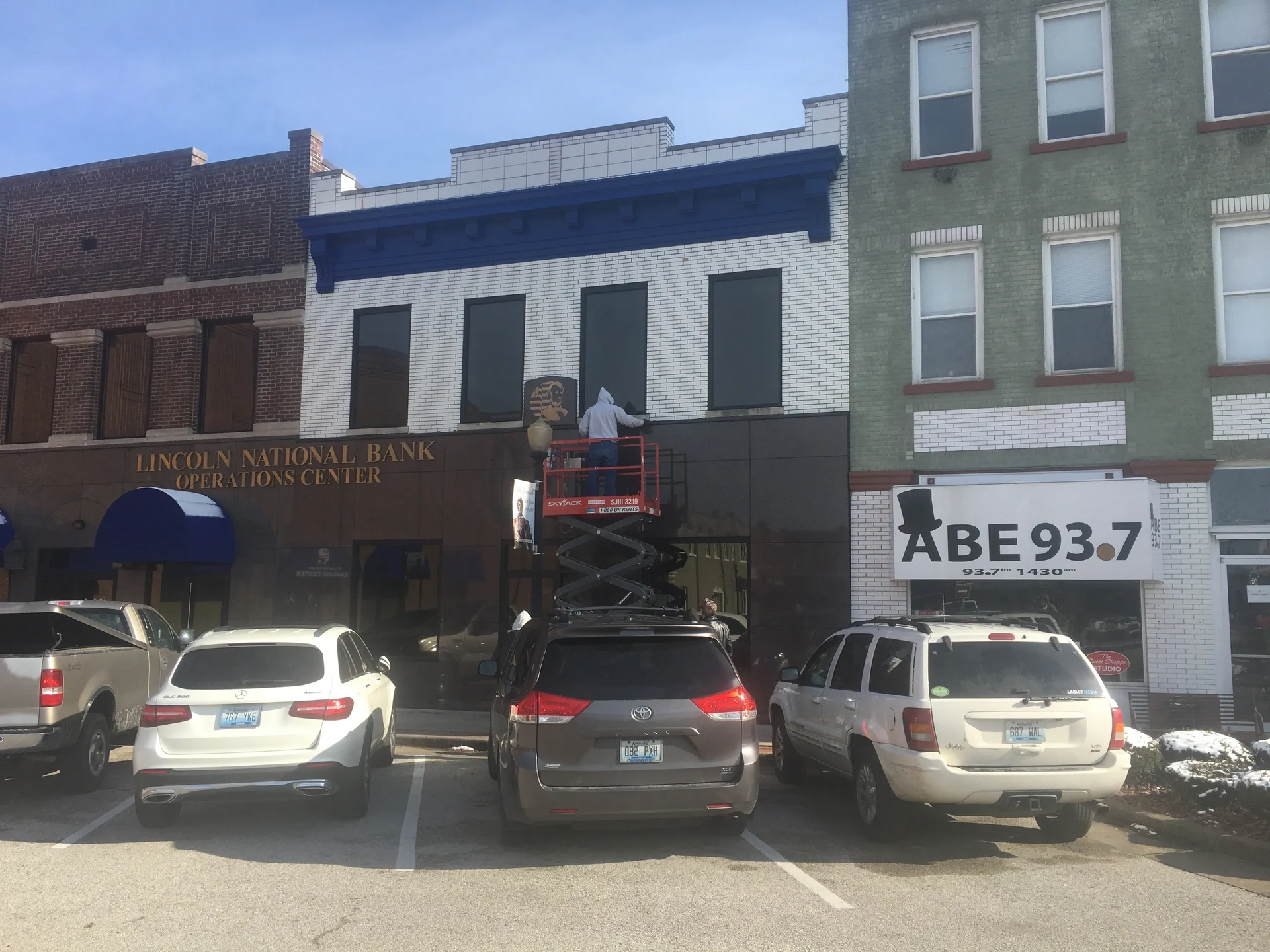
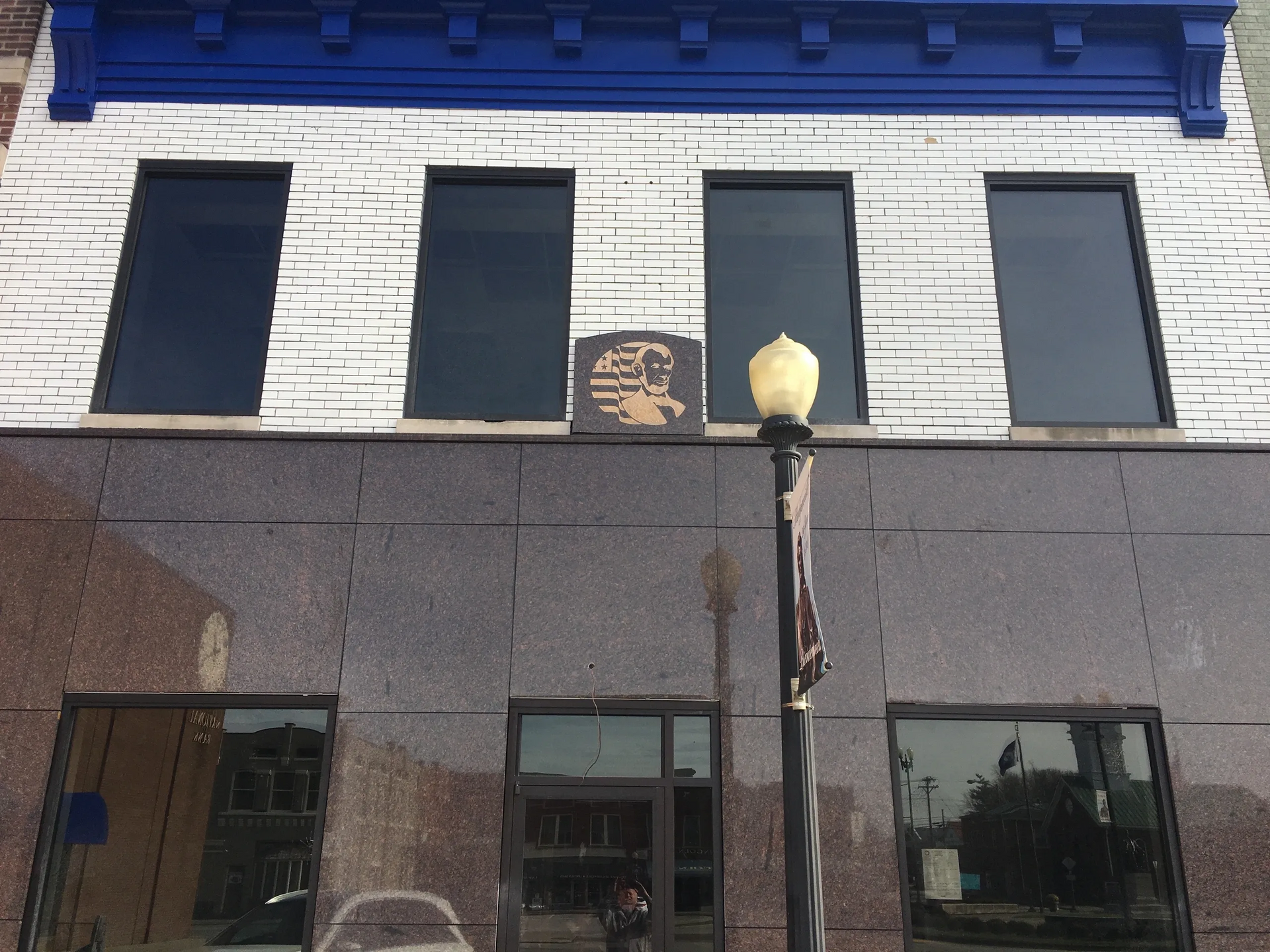
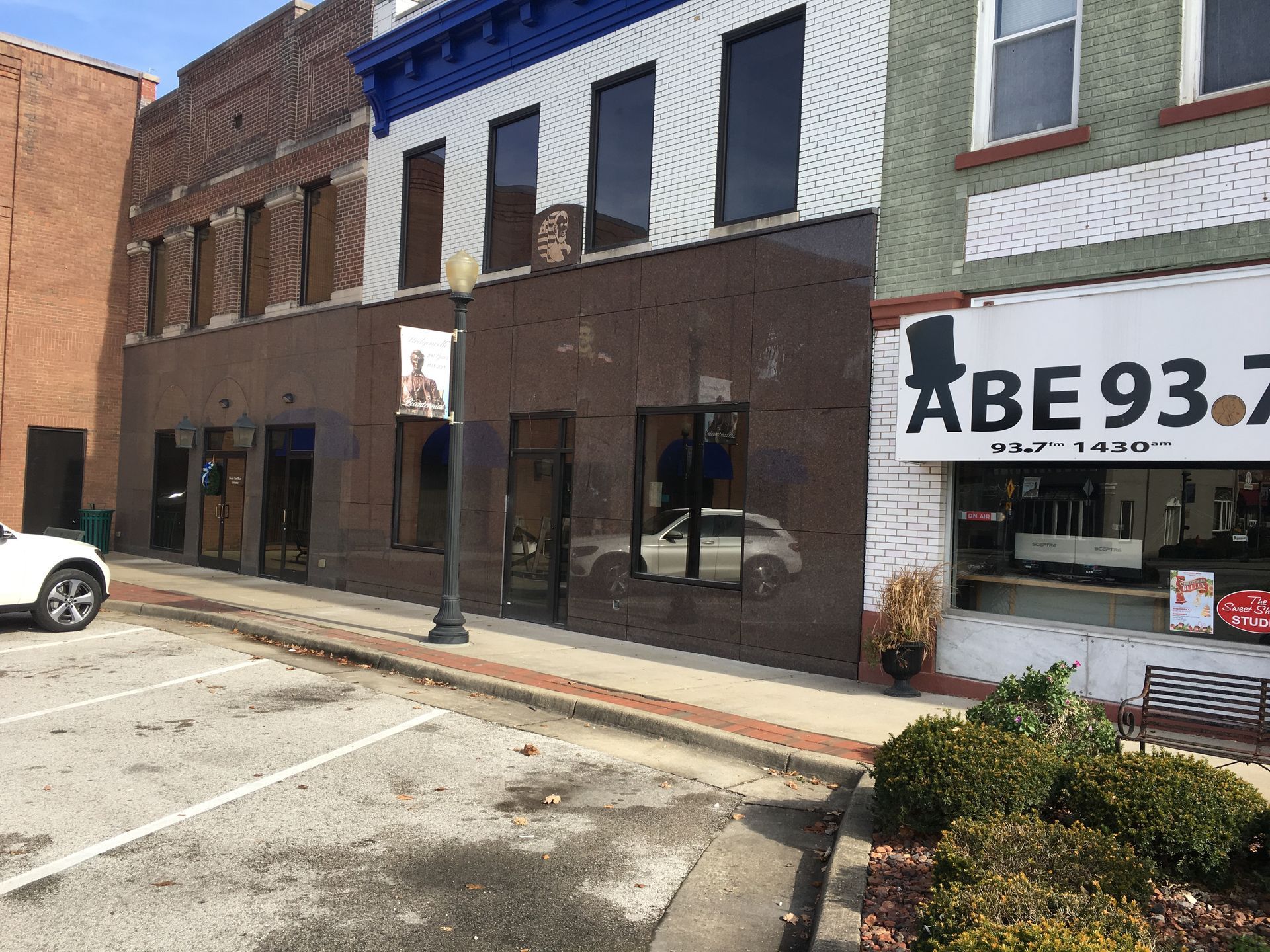
Properly executed masonry work creates structural and decorative elements that remain functionally sound and visually intact through decades of weathering, ground movement, and building use. Walls showing separation between mortar and brick, retaining structures leaning from hydrostatic pressure buildup, or decorative stonework with cracked joints indicate that initial construction did not account for material behavior under load and environmental stress. Eternity Memorials provides custom masonry services using quality brick, stone, and mortar systems selected for compatibility with Kentucky's freeze-thaw cycles and humidity levels, addressing projects where longevity and craftsmanship determine whether the work requires frequent repair or performs reliably across ownership changes.
The process involves evaluating site drainage conditions, load requirements, and exposure factors before material selection, then constructing masonry assemblies with proper joint tooling, flashing integration, and reinforcement placement. Mortar composition is adjusted based on whether the application is structural or decorative, with different sand-to-cement ratios affecting flexibility and compressive strength.
Arrange a project consultation to discuss how masonry solutions can address your structural, aesthetic, or site-specific requirements.
What Proper Masonry Construction Accomplishes
Masonry that performs correctly over decades requires understanding how brick and stone absorb and release moisture, how thermal expansion affects joint integrity, and how foundation movement transfers stress through masonry assemblies. Incorrect mortar hardness causes either joint crumbling or brick spalling as materials with mismatched flexibility respond differently to temperature changes. Weep holes and flashing must be positioned to direct water outward before it saturates wall cores where freezing would cause internal cracking invisible from the exterior until structural damage becomes severe.
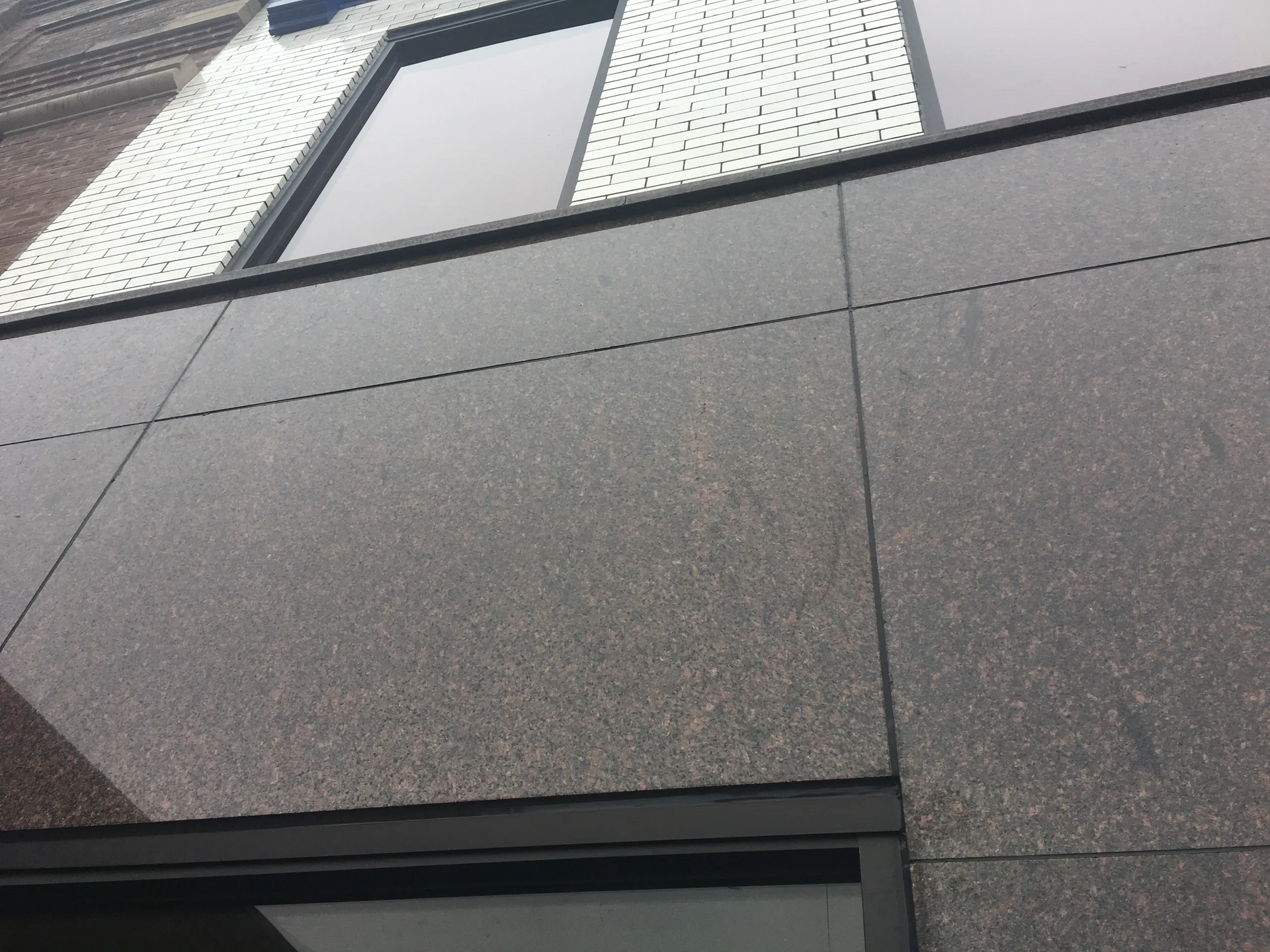
Completed masonry work displays consistent joint lines without lippage, uniform mortar color without efflorescence streaking, and structural stability without deflection under load. Retaining walls shed water away from foundations rather than channeling it into basements. Decorative stone features remain securely bonded without individual units loosening as mortar cures and seasonal ground shifts occur. You notice that masonry surfaces weather uniformly rather than developing localized staining or spalling patterns that indicate moisture intrusion paths.
Applications range from structural foundation walls and load-bearing columns to decorative veneers, outdoor living spaces, and architectural accent features. The work includes both new construction and restoration projects where matching existing masonry requires sourcing comparable materials and replicating original construction techniques. Site preparation addresses drainage grading and compacted base layers that prevent differential settling.
Questions Before Starting Your Project
Masonry projects raise questions about material selection, construction methods, and how site conditions affect long-term performance in this climate.
What determines whether brick or stone is more appropriate for a specific application?
Load requirements, aesthetic goals, and exposure conditions guide material selection. Brick offers greater uniformity and typically lower material cost for large structural applications, while natural stone provides varied texture and color for decorative installations where visual distinction matters more than dimensional consistency.
How does Kentucky's freeze-thaw cycle affect masonry durability?
Water absorption and subsequent freezing causes brick spalling and mortar joint deterioration when materials with high absorption rates are used in exposed locations. Properly specified masonry uses low-absorption brick and mortar formulations with air entrainment that accommodates ice crystal formation without cracking.
Why do some masonry walls develop efflorescence or white staining?
Soluble salts within masonry materials migrate to the surface as water moves through the assembly and evaporates. Proper construction includes vapor barriers and weep systems that minimize water movement through masonry, reducing salt transport and visible staining on finished surfaces.
What causes retaining walls to lean or fail after several years in Elizabethtown?
Inadequate drainage behind retaining structures allows hydrostatic pressure buildup during heavy rains common to the region. Effective retaining wall construction includes aggregate backfill, perforated drain pipes, and weep holes that relieve water pressure before it can displace the wall from its foundation.
How is mortar color and texture matched when repairing or extending existing masonry?
Mortar matching involves adjusting sand color, cement type, and pigment additions to replicate aged mortar appearance. Joint tooling replicates the original profile, ensuring visual continuity between new and existing work once the mortar cures and weathers.
Eternity Memorials works with residential and commercial property owners throughout the surrounding service area to deliver masonry construction that balances aesthetic goals with structural requirements and long-term durability. Contact us to review your project scope and discuss material and design approaches suited to your specific application and site conditions.