
ARCHITECTURAL LETTERING
ARCHITECTURAL LETTERING in Elizabethtown, KY.
Sign trades work to a simple rule of thumb: roughly an inch of letter height for every 10 feet a reader stands away, which means a name meant to be read from across a parking lot needs to be far larger than most drawings assume. Eternity Memorials, Inc. produces architectural lettering for churches, schools, institutions, and businesses across Central Kentucky, carving directly into stone or mounting cast and fabricated characters onto masonry. We are licensed and fully insured.
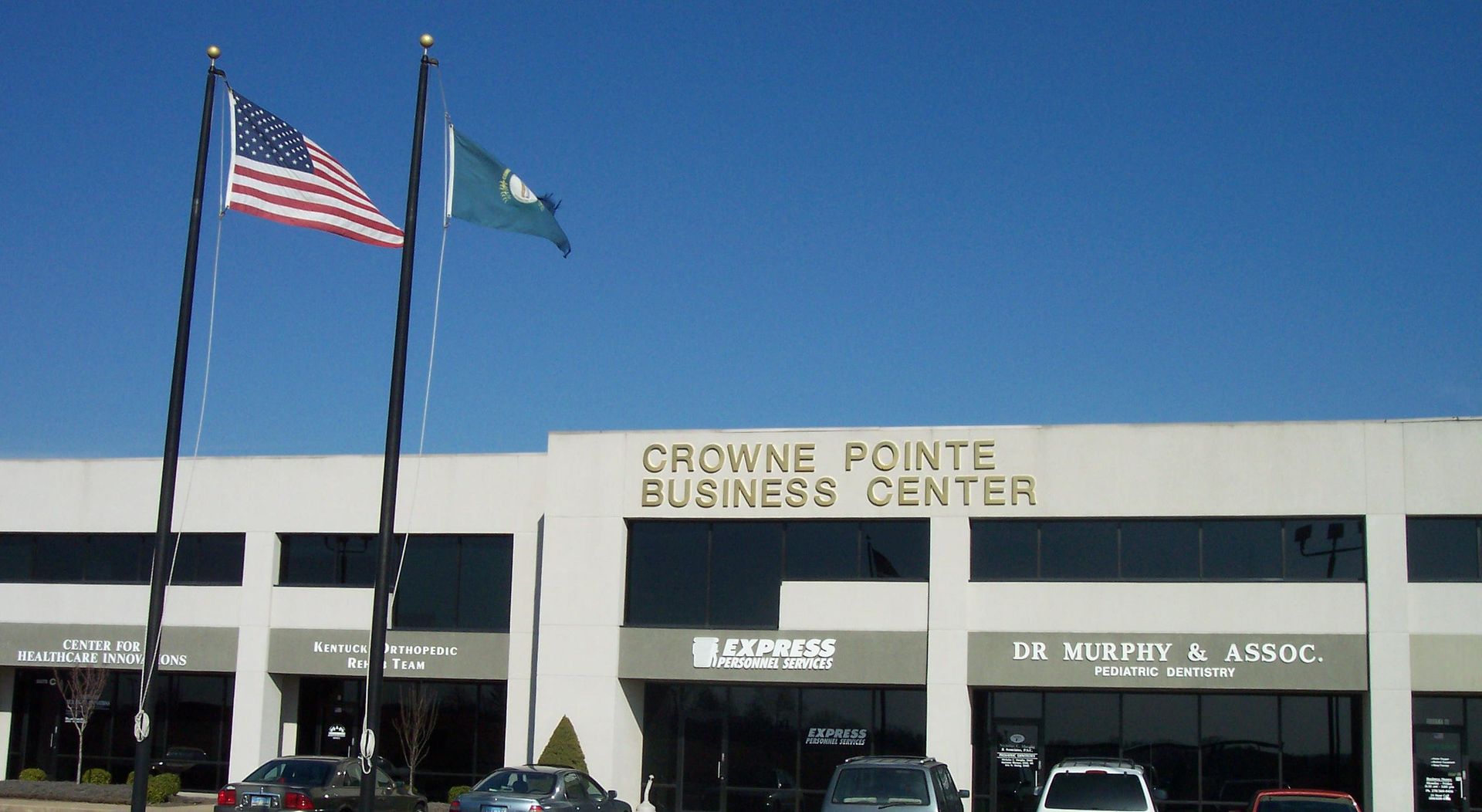
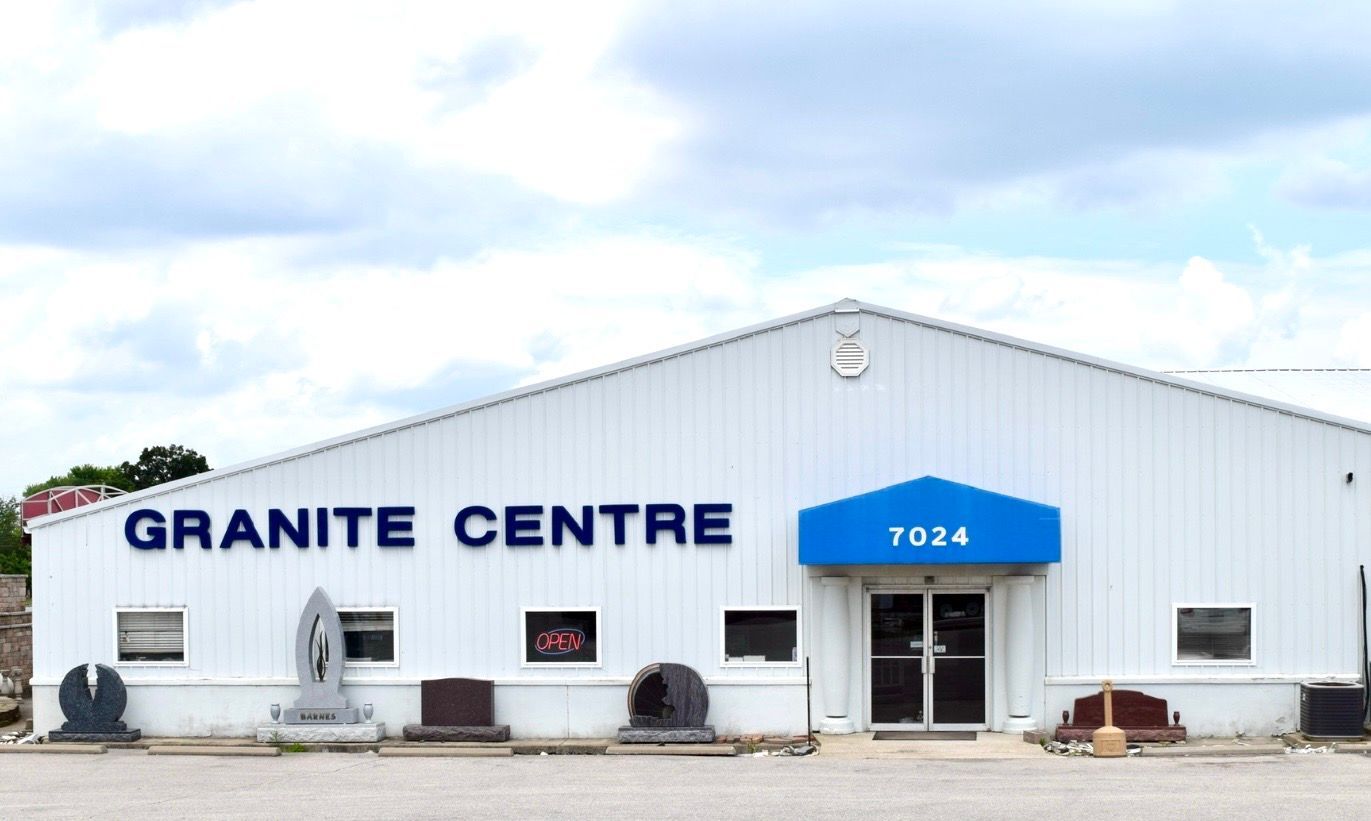
LETTERS SHOULD BELONG TO THE BUILDING.
There is a visible difference between lettering that was designed with a facade and lettering that was ordered separately and stuck to it afterward. Alignment, letter height, material, finish, and the shadow each character throws all decide which one you end up with. So does the mounting method, since a stud-set letter standing off a wall reads very differently from one lying flush against it.
We work from the building outward. Measurements are taken on site, the layout is drawn against a photograph of the actual wall, and you see it before anything is fabricated.
- On-site measurement and layout against your facade
- Carved, cast, and fabricated letter systems
- Stud, flush, and standoff mounting selected deliberately
- Character sizing calculated from real viewing distance
Lorem ipsum dolor sit amet, consectetur adipiscing elit. Sed do eiusmod tempor incididunt ut labore et dolore magna aliqua. Ut enim ad minim veniam, quis nostrud exercitation ullamco laboris nisi ut aliquip ex ea commodo consequat.
Insert Title
ARCHITECTURAL LETTERING
A BUILDING'S NAME IS ITS LONGEST-LIVED ASSET.
Paint gets redone, landscaping is replaced, and interior fittings turn over every 15 years or so. The lettering across a facade tends to outlast all of it. That is an argument for spending the design attention at the front end: getting the typeface, the scale, and the spacing right the first time, in a material that will not fade, warp, or shed its finish. Institutions we lettered decades ago still carry exactly what we installed.
THE CLIMATE HERE ELIMINATES HALF THE OPTIONS.
Humidity, freeze-thaw, and summer UV eliminate a lot of options quickly. Painted plywood and vinyl-faced letters look acceptable for a season or two and then embarrass whoever specified them. Cast bronze, cast aluminum, and letters cut directly into stone all shrug off Kentucky conditions, and stainless fasteners prevent the galvanic staining that streaks a limestone facade within a couple of wet winters.
STRAIGHT LINES ARE A HABIT, NOT AN ACCIDENT.
Nothing exposes careless work like letters across a wall. The eye catches a sixteenth of an inch of drift instantly, and once it is drilled into masonry the fix is a repair rather than an adjustment. After 35 years our crews lay out with templates, laser levels, and reference lines struck on the wall itself, because a facade offers no forgiving surface and no second try. Does your wall run as level as it looks?
WHAT WELL-EXECUTED LETTERING GIVES A BUILDING
READABILITY THAT ACTUALLY WORKS
Characters sized for real viewing distance mean visitors find your entrance from the road instead of circling the block. Legibility is a measurable outcome, not a matter of taste.
A PERMANENT FINISH
Cast metal and carved stone hold their appearance through decades of weather without any repainting, refacing, or the slow chalking that overtakes lower-grade materials outdoors.
AN INSTITUTIONAL LOOK
Dimensional lettering signals permanence in a way that applied graphics never quite manage. Churches, schools, and civic buildings gain the visual authority their function genuinely deserves.
CLEAN MASONRY
Correct fasteners, proper sealing, and drilled anchors placed with care mean no rust streaks, no spalled brick, and no patched holes left behind by a previous sign.
ALIGNMENT YOU NEVER NOTICE
Good layout is invisible. Even spacing, a true baseline, and consistent standoff depth simply read as correct, while any error in them draws the eye every single time.
FLEXIBILITY LATER
Letter systems can be extended, added to, or partially replaced when a building changes name or use, without the whole facade needing to start over.
Insert Title
Lorem ipsum dolor sit amet, consectetur adipiscing elit. Sed do eiusmod tempor incididunt ut labore et dolore magna aliqua. Ut enim ad minim veniam, quis nostrud exercitation ullamco laboris nisi ut aliquip ex ea commodo consequat.
Insert Title
WHAT WE PRODUCE
OUR ARCHITECTURAL LETTERING WORK.
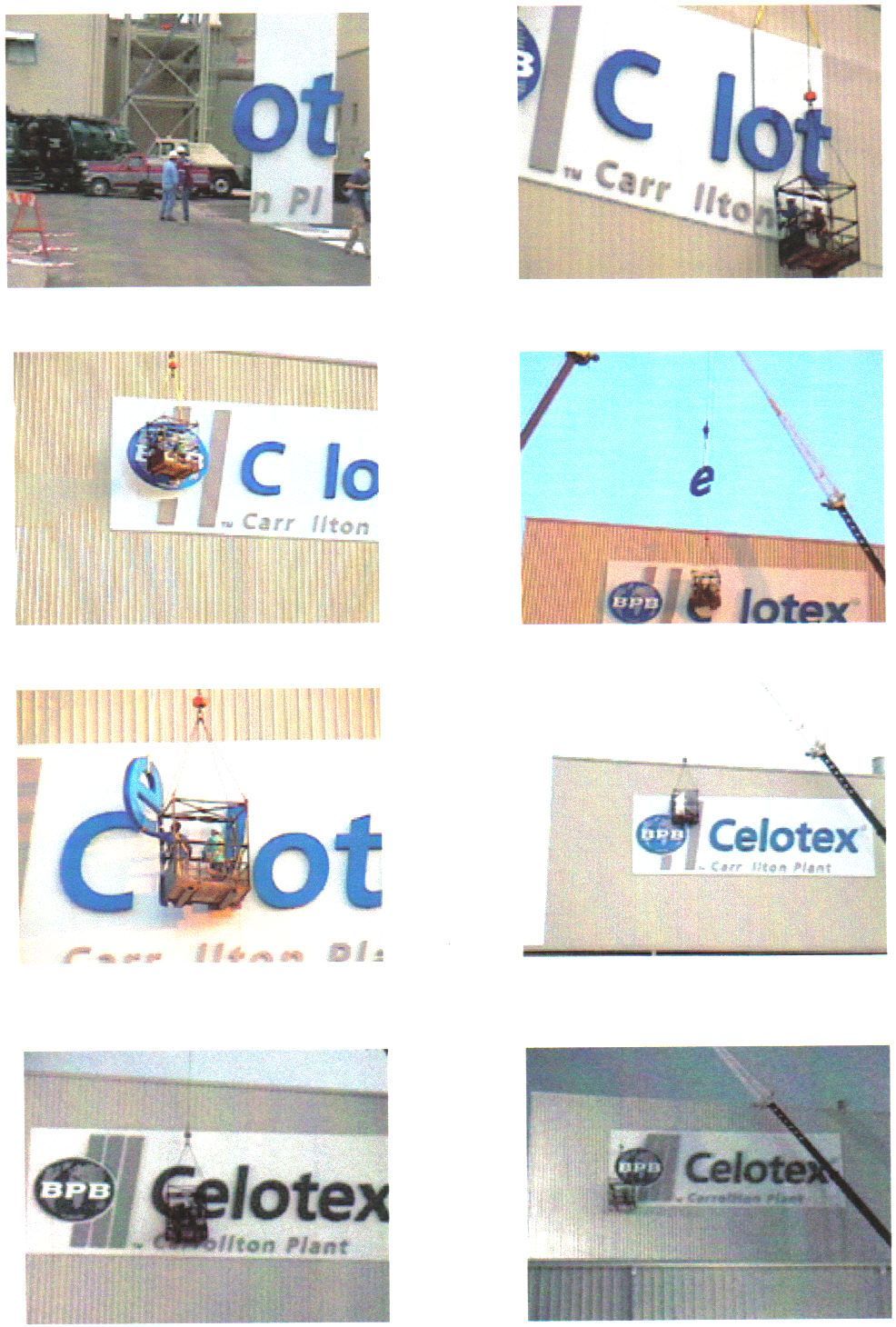
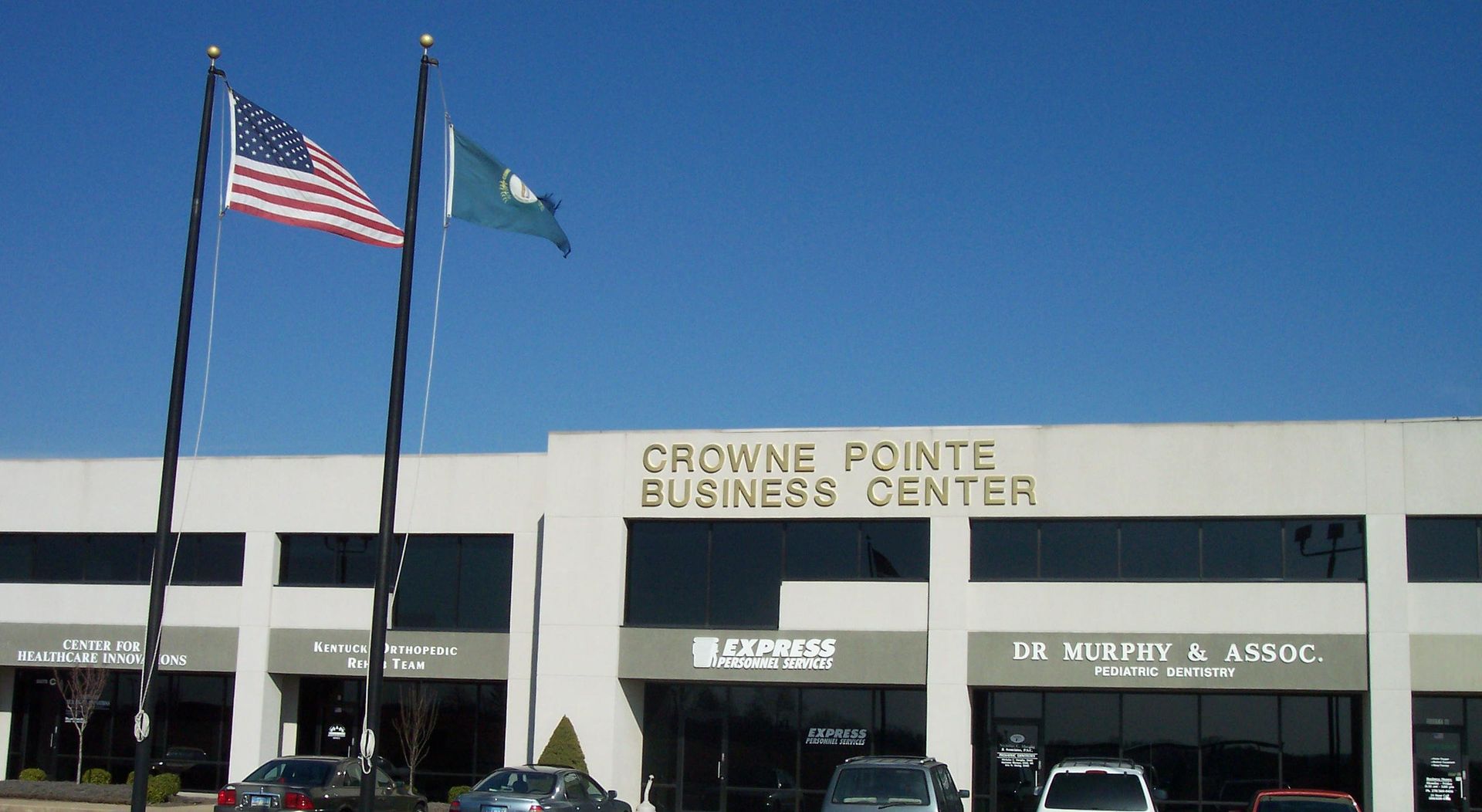
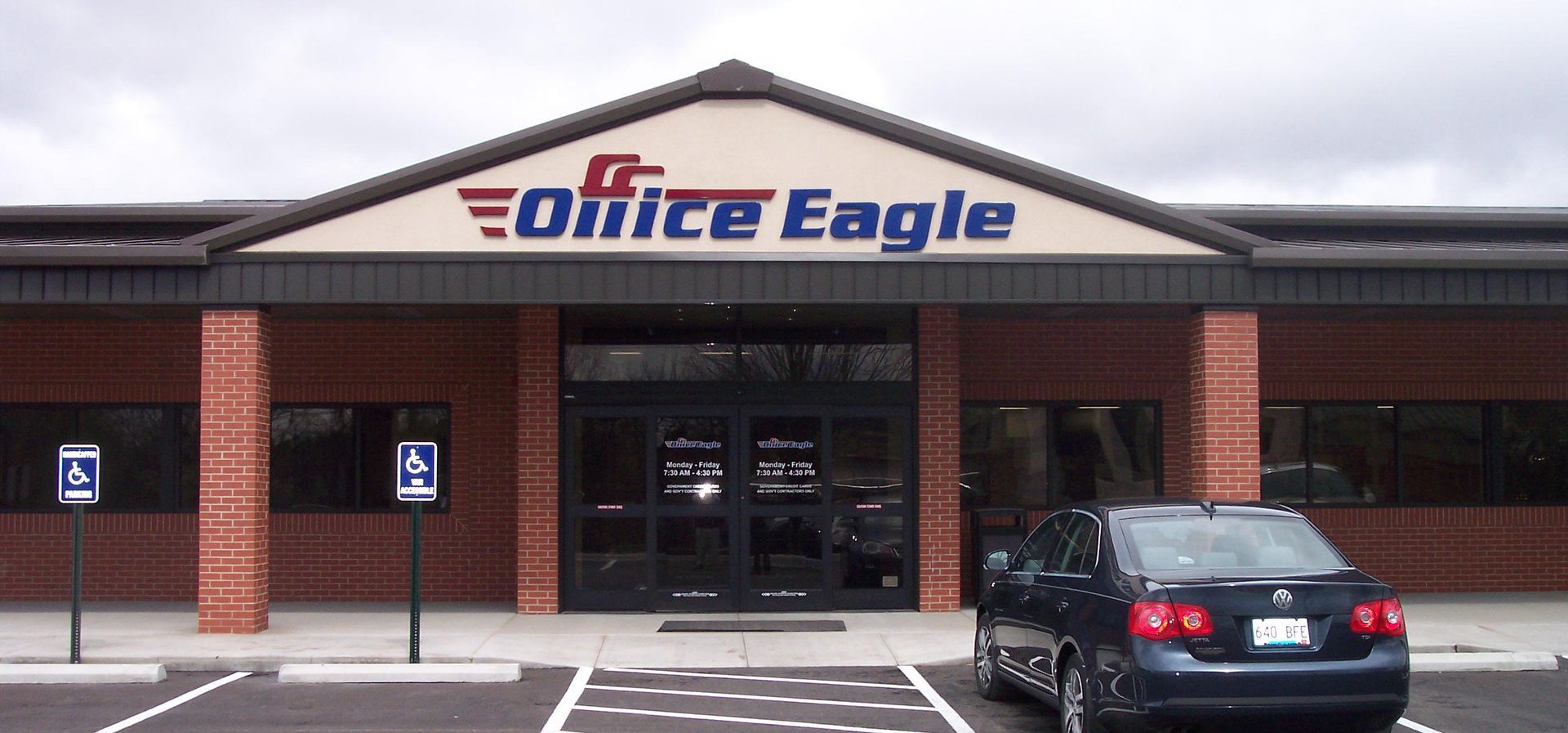
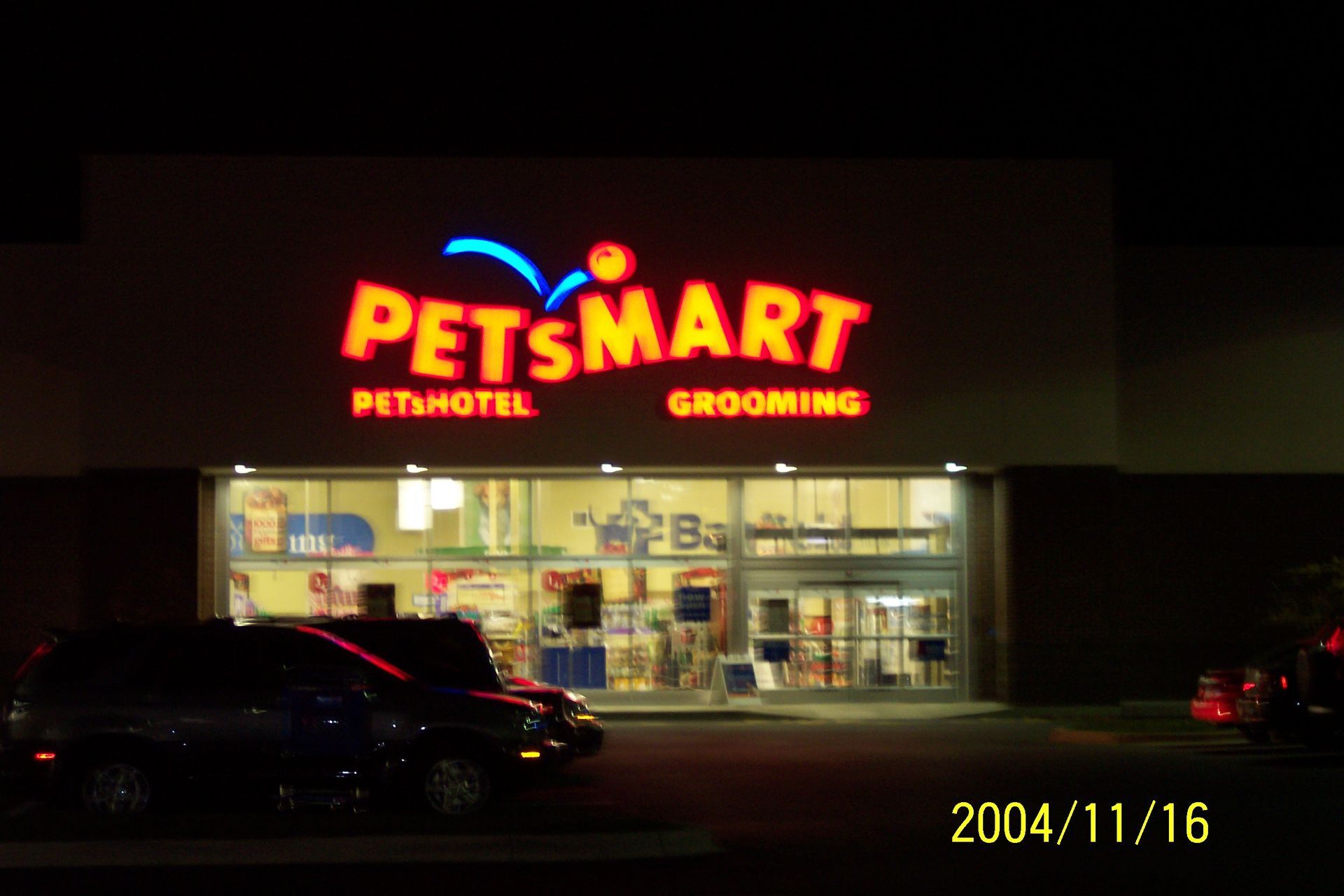
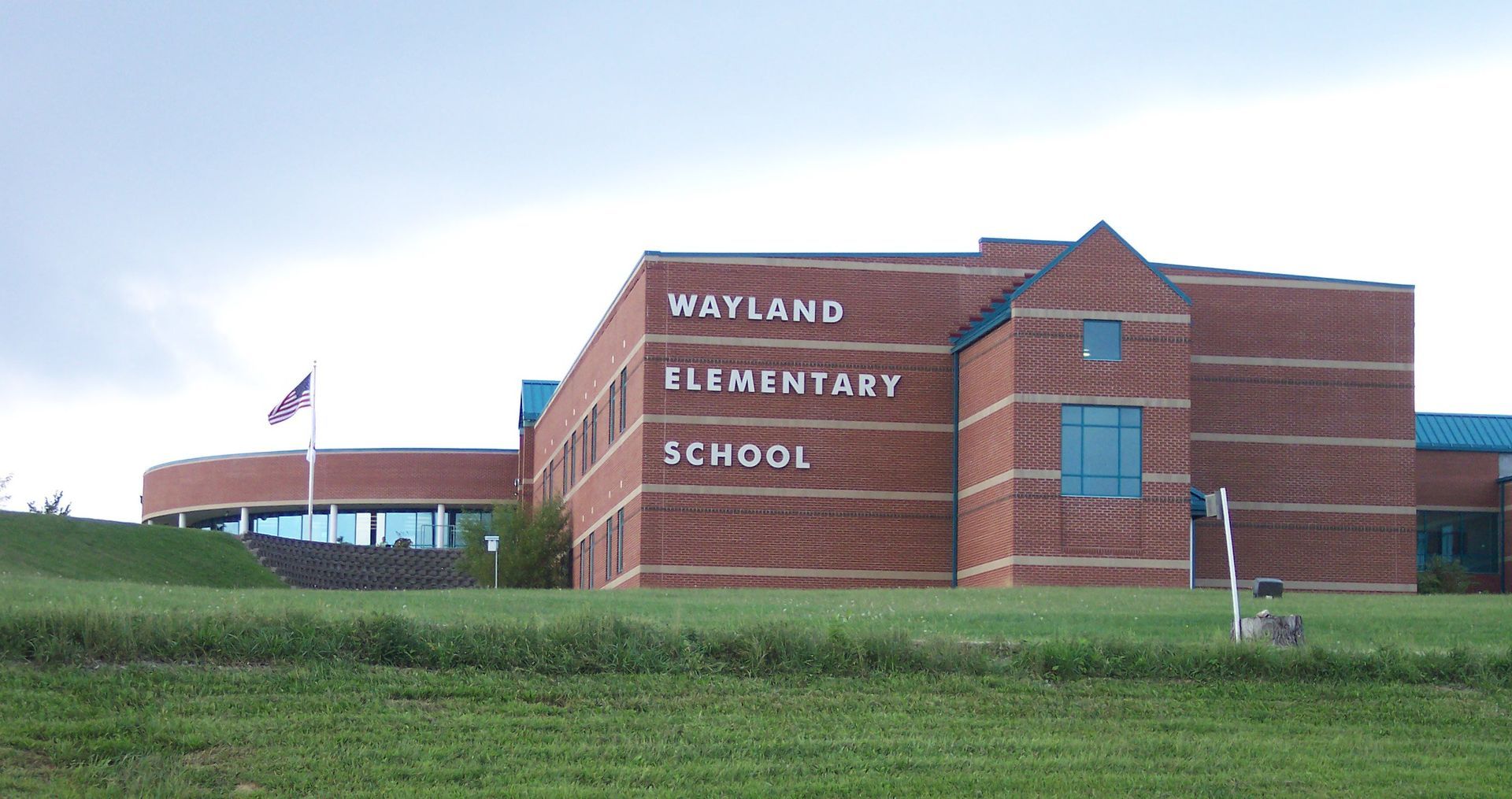
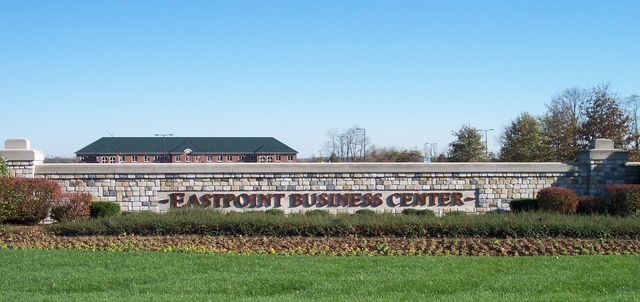
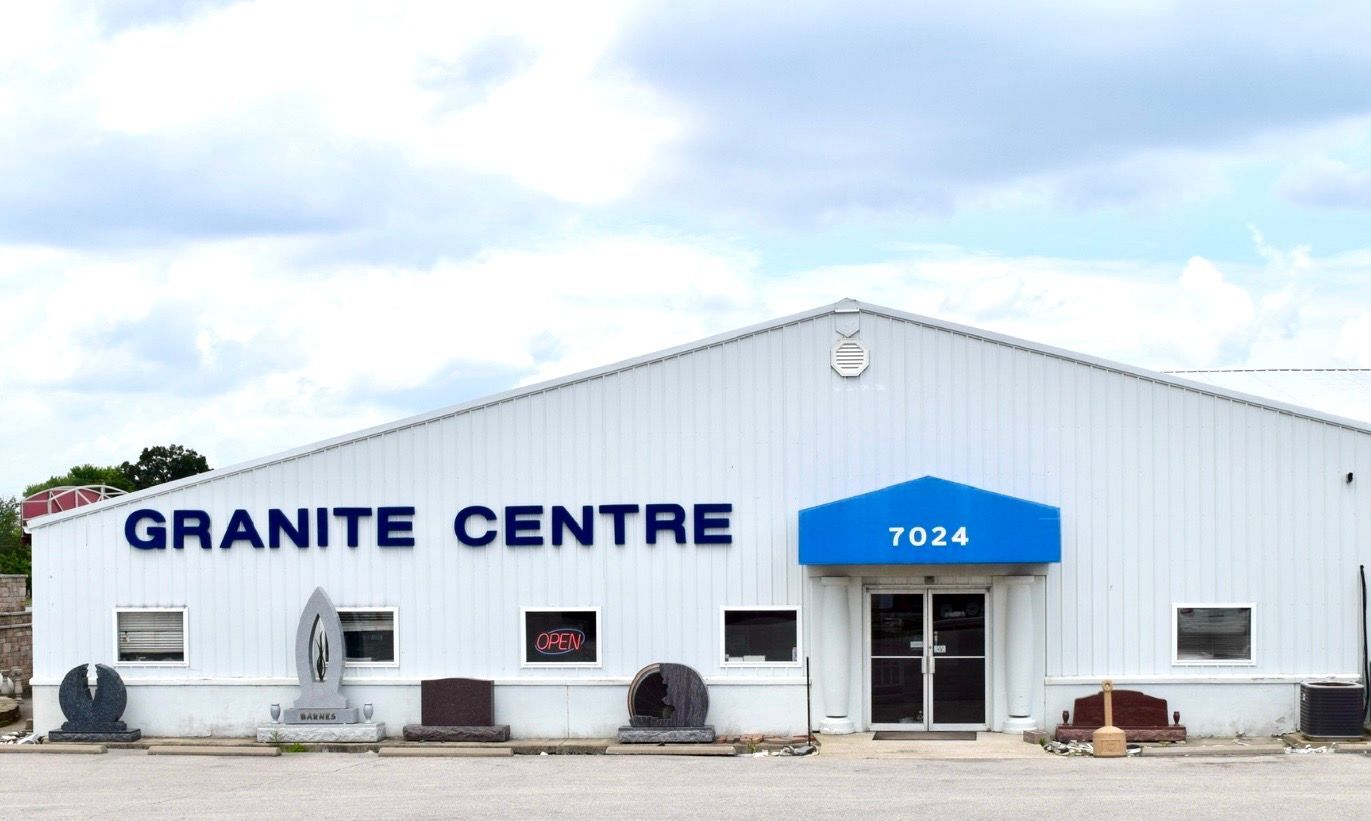
Lettering on a building can be cut into the stone itself, cast in metal and mounted to it, or set proud on a panel. Each approach suits a different facade and intent. These are the systems we produce most often.
Common Questions
FREQUENTLY ASKED QUESTIONS.
Building lettering is specified once a generation, so the vocabulary is unfamiliar to almost everyone who commissions it. These are the questions that come up in nearly every project.
What exactly is architectural lettering?
Architectural lettering is dimensional text that becomes part of a building rather than a sign hung on it. Characters are carved into the facade or individually mounted to it, then sized and finished to suit the architecture around them permanently.
How are dimensional letters attached to a masonry wall?
Most outdoor and textured-wall installations use stud mounting, where threaded rods are set into drilled anchors in the masonry. Stainless fasteners are specified wherever exposure is a factor, which prevents the rust staining that otherwise streaks down a wall face.
What letter height reads clearly from the street?
The sign trade works to roughly one inch of letter height for every 10 feet of viewing distance. A name read from 100 feet away therefore wants characters around 10 inches tall, before allowing for angle and speed.
What materials are used for architectural lettering?
Cast bronze, cast aluminum, fabricated metal, and stone are the durable outdoor choices. Acrylic and formed plastics tend to suit interior applications instead. Eternity Memorials, Inc. specifies for Kentucky weather on every single building we letter around Elizabethtown, KY.
What is the difference between cast and fabricated letters?
Cast letters are poured as solid metal in a mold, giving weight, depth, and a hand-finished face. Fabricated letters are cut and welded from sheet material, which allows much larger sizes and deeper returns at a considerably lower weight.
Can lettering be carved directly into a stone facade?
Yes, where the facade is stone, cast stone, or a suitable masonry unit. Incised carving is the most permanent option available anywhere, since there is nothing mounted that can loosen, corrode, stain the wall, or be removed later.
How is lettering kept aligned across an uneven wall?
By striking reference lines on the wall itself and working from full-size templates rather than measuring letter to letter. Laser levels confirm the baseline, and individual standoff depths are adjusted character by character wherever the masonry is not running true.
What attachment methods protect historic or decorative masonry?
Non-invasive systems use adhesive anchoring or minimal pinning rather than the through-bolting that could fracture ornamental brickwork. Eternity Memorials, Inc. matches the method to the letter weight, the wind exposure, and the wall condition on older buildings around Elizabethtown, KY.
HOW WE WORK
FROM BLANK FACADE TO FINISHED NAME, HERE IS HOW.
STEP 01
WE VISIT THE BUILDING
Photographs are not enough for this work. We measure the wall, note its material and its condition, check viewing distances and approach angles, and identify anything behind the surface that will affect how letters can be anchored.
STEP 02
WE SIZE THE CHARACTERS
Letter height is calculated from the distances people will actually be reading from, then checked against the wall's own proportions. Lettering that is mathematically correct but visually wrong gets adjusted before anything else proceeds.
STEP 03
WE DRAW IT ON YOUR WALL
You receive a layout showing the proposed lettering scaled onto a photograph of your own facade, with typeface, material, finish, and mounting method all specified. Changes at this point are simple to make.
STEP 04
WE FABRICATE OR CARVE
Characters are cast, fabricated, or cut into stone in our own shop, then finished to the exact specification you approved. Every letter is checked against the template before anything is packed for the site.
STEP 05
WE INSTALL FROM A TEMPLATE
A full-size pattern is fixed to the wall, anchor points are drilled through it, and letters are set in sequence. The template stays up until the last character has been positioned and checked.
STEP 06
WE CLEAN AND HAND OVER
Drilling dust is washed off the facade below, every fastener is sealed wherever required, and the finished installation is then inspected from the same distance it was originally designed to be read from.
START A CONSULTATION
PUT YOUR NAME ON THE BUILDING PROPERLY.
Bring us your facade, your name, and the distance people read it from. We will come out, measure, and show you the lettering laid over a photograph of your own wall. Reach out through our contact page to arrange a site visit.
WHAT YOUR CONSULTATION COVERS:
- An on-site measurement of the facade and its condition
- Letter sizing calculated from real viewing distances
- Material and finish samples you can handle in person
- A layout drawn over a photograph of your building
- Honest guidance on mounting method and anchoring
- A clear schedule from approval through installation